 48 Months Special Financing — No Interest if Paid in Full in 48 Months!*
Cheap LVP Flooring vs High Quality
What You Need to Know Before You Buy
Luxury vinyl plank (LVP) flooring is one of the most popular choices for homeowners today.
It looks great, feels solid under your feet, and is easy to clean.
But not all LVP is the same—and going cheap can cost you a lot more than you think.
Let’s break down the difference between cheap LVP flooring and high-quality LVP so you can make the smart choice for your home or business.
Sexy Flooring | Affordable Prices | Quality Install
Table of Contents
Everything You Need to Know
Before Buying Luxury Vinyl Plank (LVP) Flooring
The Truth About Cheap LVP Flooring
We’ve all seen those bargain LVP deals. They pop up in clearance bins or on flashy store signs:
“LVP Flooring – Just $1.29 Per Square Foot!”
Sounds like a steal, right? Not so fast.
Cheap LVP usually means:
Thin planks that don’t feel solid
Weak locking systems that separate over time
Flat, boring patterns that don’t look like real wood
Short lifespan—just 3 to 5 years in busy areas
At first, these floors may seem okay. They look nice right after install. But just wait a few months. The shine fades. The edges lift. Scratches pop up everywhere. And in a few years, you’ll need to replace it all.
Discover the Best Floors to Complement Your Home's Decor
Licensed and Bonded Installation Professionals 🏆
Why Is It So Cheap?
Low-cost materials that wear out fast
No waterproof layers or UV protection
Tiny wear layers that don’t hold up to kids, pets, or foot traffic
Short or no warranty at all
It’s like buying a $10 umbrella. It works once. Then breaks the first time it rains sideways.
What Makes High-Quality LVP Flooring Better?
Now let’s talk about the good stuff—premium LVP.
High-quality LVP costs more—around $3 to $5 per square foot. But there’s a good reason for the higher price. These floors are built to last 10 to 20 years, even in busy homes with pets and kids.
Here’s what you get:
Thicker planks that feel sturdy underfoot
Strong locking systems that stay tight
Realistic textures and grain patterns
Waterproof layers and UV protection
12 mil to 20+ mil wear layers
Warranties that actually protect you
Good LVP doesn’t peel, shift, or scratch easily. It holds up under pressure—literally.
Financing Available
Buy now and pay overtime! We offer several different financing programs.

Fast Approvals*

No Payments*

0% Financing
The Cost of Replacing Cheap Floors Adds Up Fast
Let’s do some quick math.
Say you buy cheap LVP at $1.50 per square foot. You install it in your 1,000 sq. ft. home. That’s $1,500.
But in 3 to 5 years, it starts to look awful. You replace it with more cheap LVP. That’s another $1,500 (plus labor, maybe $2,500 total).
In 10 years, you’ve spent over $5,000—and your floor still looks and feels cheap.
Now compare that to high-quality LVP at $4 per sq. ft. That’s $4,000 upfront. But it lasts 15–20 years. No extra costs. Just clean and enjoy.
In the long run, cheap floors are more expensive.

Signs You're Looking at Cheap LVP
Not sure what kind of LVP you’re being sold? Watch out for these warning signs:
| Cheap LVP Warning Sign | What It Means |
|---|---|
| Under 4mm thick | Not sturdy, easy to damage |
| Less than 12 mil wear layer | Won’t handle pets or high traffic |
| Weak locking edges | Planks may shift or pop up |
| No texture or pattern | Looks fake, shows scratches easier |
| No brand or warranty info | Risky purchase, no backup |
If your flooring checks any of these boxes, think twice before buying.
Next Day Installation
Our installation teams are licensed, insured, and screened regularly.

Fast
Flooring delivered
to your door.

Easy
Next day installation
is available.

Convenient
We even help move
your furniture.
Cheap LVP + Pets or Kids = Trouble
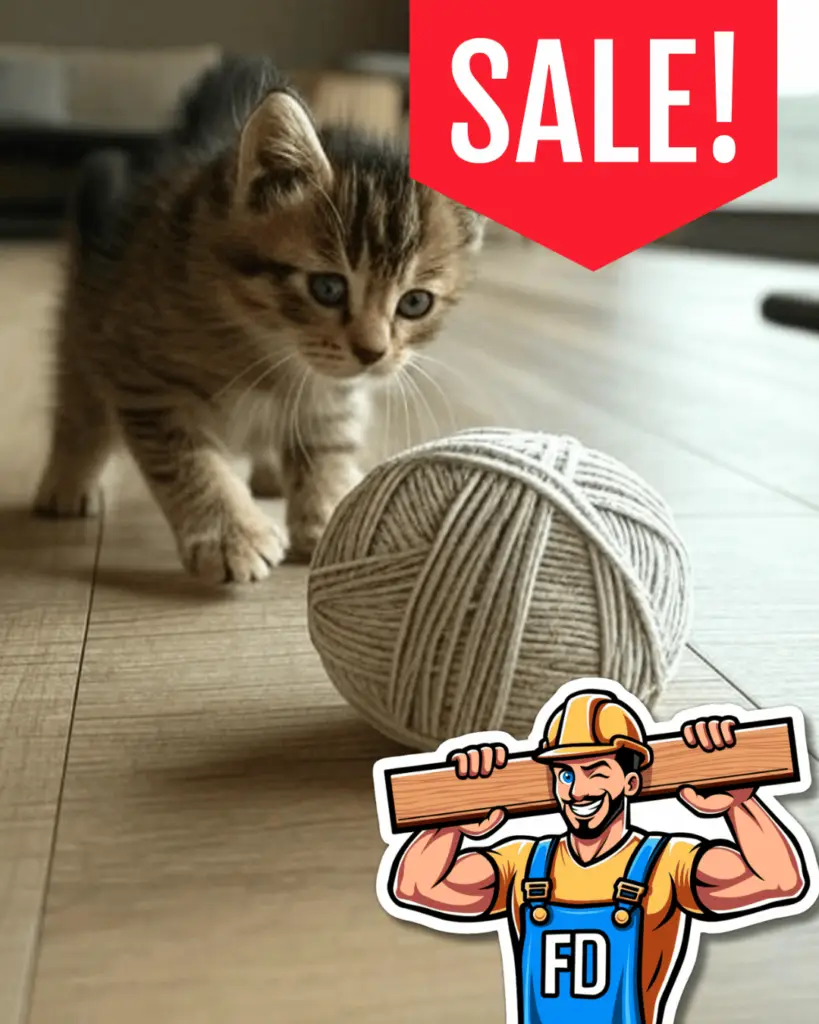
Let’s be honest—your floor takes a beating.
Your dog runs across it with sharp claws. Your kids play with toys and roll chairs on it. People drop keys, furniture slides around, dirt gets tracked in.
Cheap LVP can’t handle all that.
It scratches. It tears. It starts peeling at the edges.
Then you’re stuck looking at damaged floors or spending money to replace them again.
High-quality LVP is designed for real life.
It’s made to survive busy households—and still look great doing it.
Floor Daddy's In-Home Shopping Services
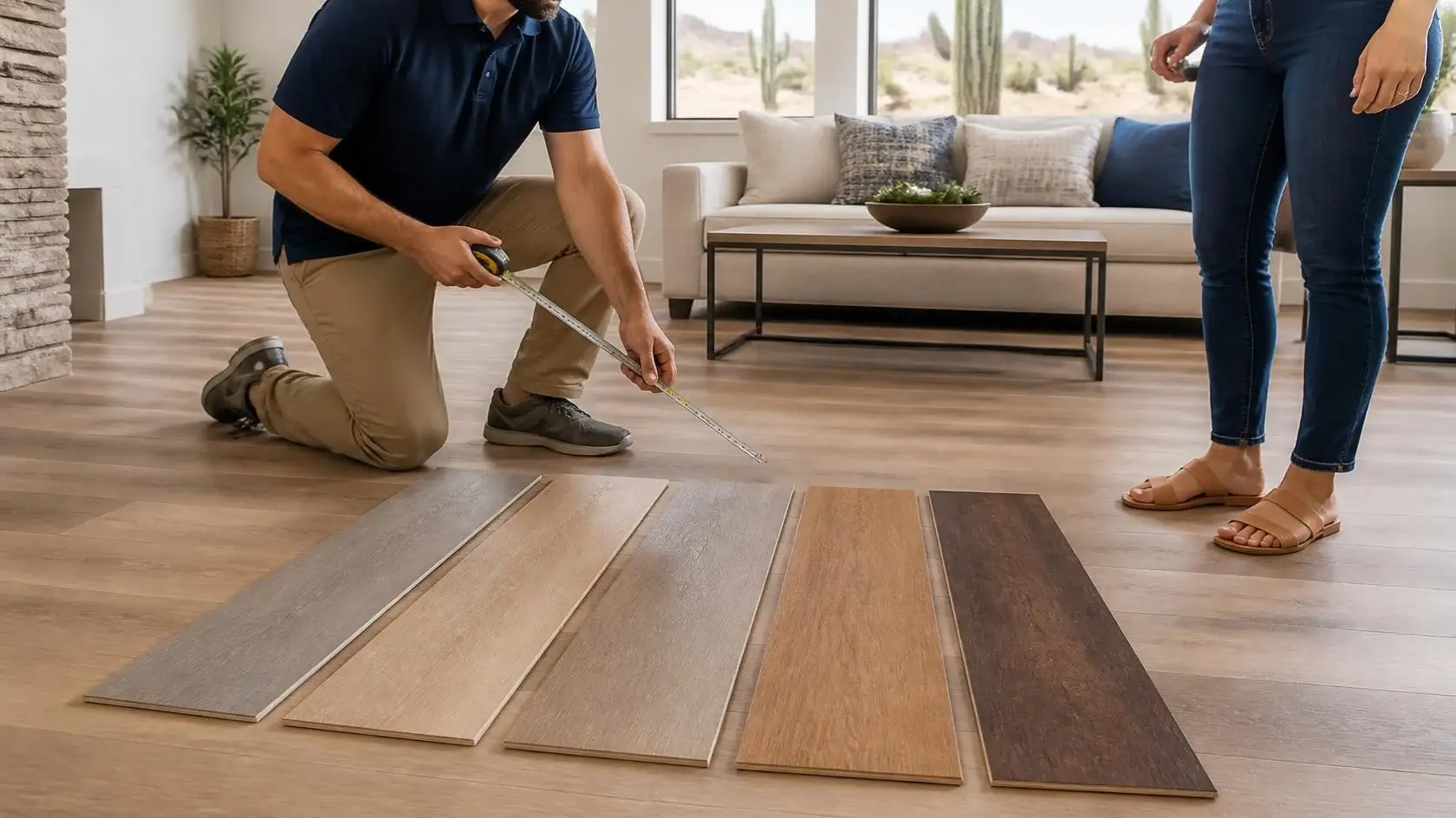
We bring large flooring samples to your home for free!

Schedule your
Consultation
Design & Price
Your Project
Schedule Your
No-Hassle Install
Why Floor Quality Should Never Be an Afterthought
Think about this: your floor is the foundation of your home. You walk on it every day. Your furniture sits on it. It’s one of the biggest surfaces in your house.
So why go cheap?
Spending a little more now means:
Fewer repairs
Less stress
Better resale value
Longer-lasting beauty
It’s not just a surface. It’s part of your life.
Choose Smarter, Live Better
Cheap LVP might save you money today, but you’ll likely pay for it later. Whether it’s scratches, warping, or replacement costs, the risks aren’t worth it.
High-quality LVP gives you peace of mind—and a floor that looks amazing for years.
At Floor Daddy, we help you choose the right product the first time. No regrets. No surprise repairs. Just flooring that lasts.
📍 Schedule your free in-home consultation today at floordaddy.com.
The Hidden Costs of Cheap LVP
Sure, cheap luxury vinyl plank might cost just a dollar or two per square foot. But what about the costs you don’t see right away?
You might need to:
Replace it in 3–5 years
Pay for extra labor when it fails early
Deal with repairs if planks shift or curl
Spend more time maintaining it
So while it might seem like a deal, you could end up spending more in the long run than if you had just chosen quality flooring to begin with.
The Role of a Strong Locking System
Think of the click-lock system as the “zipper” of your floor. A cheap or poorly engineered lock won’t stay tight, especially with temperature changes or heavy use.
Weak locking systems can lead to:
Gaps between planks
Lifting or popping edges
Water damage from small spills
High-quality LVP has stronger interlocking edges made to stay together under pressure. That means less shifting, fewer repairs, and a cleaner, smoother surface for years.

LVP Thickness vs. Quality: What Matters More?
Many shoppers think the thicker the plank, the better the quality. But thickness alone doesn’t tell the full story.
For example:
A 6.5mm plank with a 20 mil wear layer is stronger than a 7mm plank with only 6 mil wear protection.
What really counts is the core material, wear layer, and locking mechanism.
So instead of shopping just by thickness, focus on:
Wear layer (12–20 mil+)
Rigid SPC or WPC core
UV and water resistance
Quality locking edges
How Pets and Kids Expose Flooring Weakness
If you have a busy household with pets or kids, your floors need to take a beating—and keep looking great. Unfortunately, cheap LVP just can’t handle that kind of action.
Common problems include:
Scratches from pet claws
Toy car races that wear off the finish
Spills that seep into seams
Chairs and furniture dragging damage
High-quality LVP is designed for real life. With a thicker wear layer and waterproof features, it’s built to handle families without showing wear after just a few months.
Why Cheap LVP Warranties Are Often Useless
A warranty is only helpful if it actually protects you. Many cheap LVP products come with short, unclear, or restrictive warranties.
Things to watch for:
Only covers manufacturer defects (not wear or damage)
Voids if you DIY the install
Doesn’t apply in humid or wet rooms
Fine print that excludes pets or heavy traffic
Compare that to high-quality LVP brands, which often offer 10–25 year warranties (or even lifetime!) on residential installs. A good warranty shows that the manufacturer believes in their product—and backs it up.
Why Choosing the Right Installer Still Matters
Let’s say you buy premium LVP that ticks every box—great wear layer, strong lock, thick plank. But if it’s installed wrong, none of that matters.
A bad installation can cause:
Uneven surfaces
Loose or noisy planks
Buckling from poor spacing
Voided warranties
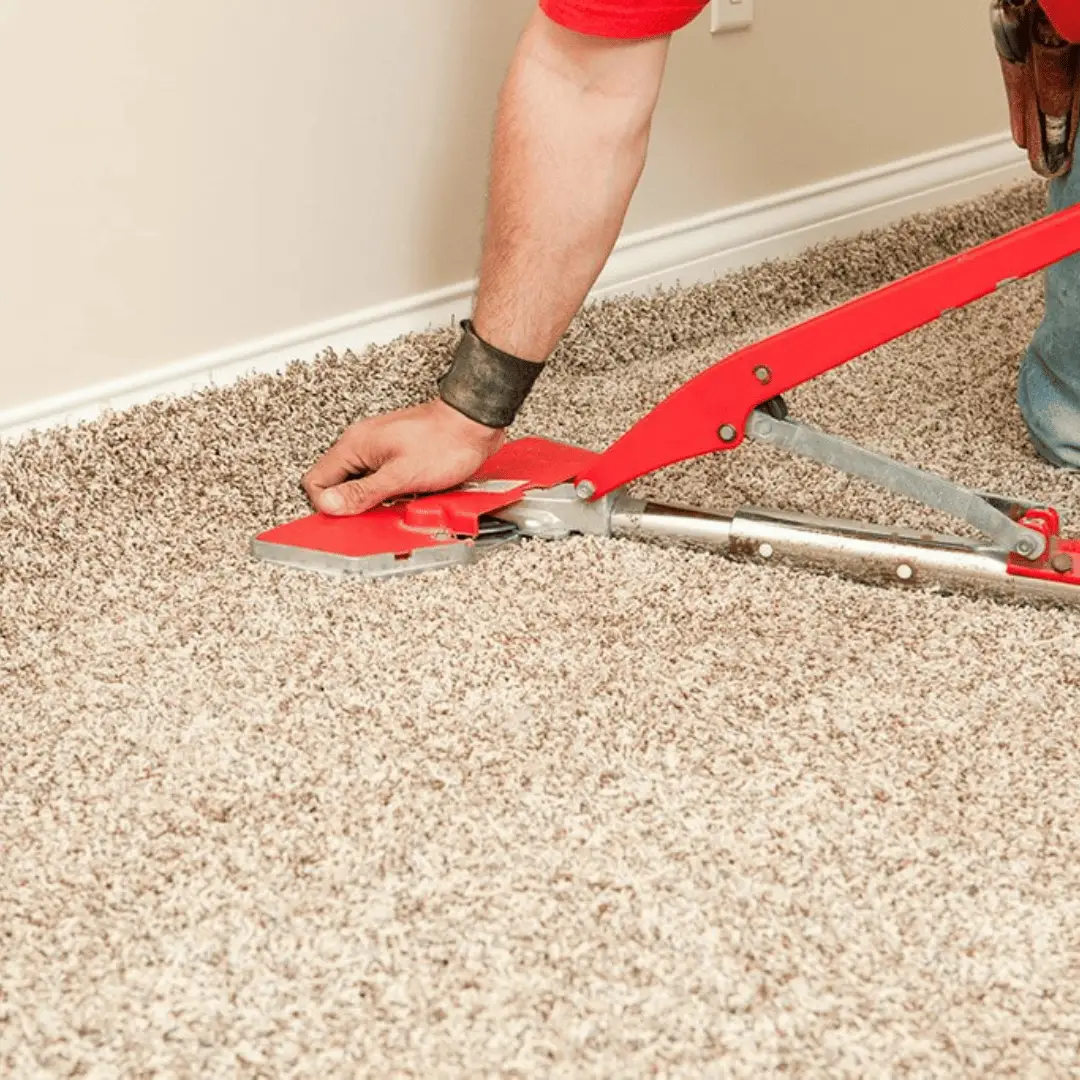
Always hire a licensed, experienced installer who knows LVP. They’ll prep the subfloor properly, install with care, and avoid shortcuts that cost you down the road.
Final Thoughts: Invest in What Lasts
When it comes to flooring, you truly get what you pay for.
Cheap vinyl plank might look okay for a while, but it’s not built to last.
High-quality LVP flooring may cost more upfront, but it’s designed to stay beautiful for 10 to 20 years—with less stress and fewer problems.
Your floors are the foundation of your home. You walk on them every day. Don’t settle for less.
Trusted & 5 Star Recommended ⭐⭐⭐⭐⭐




People Also Ask 🤓
Not always, but in most cases, better materials do cost more. Look at the specs, not just the sticker price.
SPC (stone plastic composite) has a stone-based core, making it tougher and better for high-traffic areas. WPC (wood plastic composite) is softer and warmer underfoot, better for comfort but less rigid.
Go with at least 12 mil, but 20 mil or higher is best for homes with pets or lots of foot traffic.
Yes! Most high-quality LVP is fully waterproof and great for bathrooms, laundry rooms, or kitchens. Just make sure the seams are tightly locked and sealed.
With proper care, high-quality LVP can last 15–20 years or more. It resists fading, scratching, and water damage better than cheap alternatives.
You can try, but it still won’t hold up the same way. It’s better to invest in stronger flooring from the start.
Many premium LVP products come with attached underlayment. If not, adding one improves comfort, soundproofing, and protects the subfloor—especially on concrete or basement installs.
Yes, if the room doesn’t get much use. But for main areas like the kitchen or hallway, go with higher quality.
Yes, it’s usually best. Removing old layers helps ensure a flat, clean surface. LVP needs a smooth base to lock properly and avoid future problems.