 48 Months Special Financing — No Interest if Paid in Full in 48 Months!*
Avoid These Tile Flooring Mistakes at Home
Understand the most common tile flooring mistakes and how to avoid them.
Tile flooring is a popular choice among homeowners—and for good reason.
It’s durable, water-resistant, easy to clean, and available in a wide range of styles, textures, and price points.
From bathrooms and kitchens to entryways and outdoor patios, tile adds beauty and functionality to any space.
Sexy Flooring | Affordable Prices | Quality Install


Table of Contents
Everything You Need to Know
Before Buying Luxury Vinyl Plank (LVP) Flooring

Why Tile Flooring Is a Great Choice (When Done Right)
Tile has been used in homes for centuries for good reason.
Its moisture resistance makes it ideal for wet areas, while its durability ensures long-term performance.
It’s also one of the best flooring options in hot climates like Arizona—staying cool underfoot and offering energy efficiency.
Discover the Best Floors to Complement Your Home's Decor
Licensed and Bonded Installation Professionals 🏆
Benefits of Tile Flooring Includes
100% waterproof options for bathrooms and kitchens
High resistance to scratches and heavy traffic
Easy cleaning and low maintenance
A wide range of design styles—from rustic to ultra-modern
Long lifespan when installed correctly
However, the key word here is “correctly.” Without the proper prep, materials, and installation techniques, even the most beautiful tile can quickly become a regret.
Financing Available
Buy now and pay overtime! We offer several different financing programs.

Fast Approvals*

No Payments*

0% Financing
7 Common Tile Flooring Mistakes You Must Avoid
Let’s dive into the real issues homeowners often run into—so you can avoid them entirely.
1. Installing Over an Uneven Subfloor
A level subfloor is critical for any tile installation. If the surface underneath isn’t flat, tiles can crack under pressure or come loose over time.
Uneven subfloors also lead to visible lippage—where one tile edge sits higher than the next.
Fix it: Always check and prep your subfloor. Use a self-leveling compound where necessary before installation.

2. Choosing the Wrong Tile for the Space
Not all tiles are created equal. Using glossy tiles in a bathroom, for example, is a safety hazard due to their slippery finish.
Likewise, using indoor tiles on outdoor patios will result in early wear or cracking from temperature changes and moisture.
Fix it: Choose slip-resistant tiles for bathrooms and laundry rooms. Use porcelain or exterior-rated tile for outdoor use.
3. Skipping Grout Sealing
Grout is porous—and if left unsealed, it can absorb water, dirt, and grime. Over time, this leads to stains, mildew, and even mold growth, especially in moisture-prone areas.
Fix it: Seal grout lines after installation and reapply as recommended (usually every 1–2 years).
4. Using the Wrong Adhesive or Mortar
Many DIYers (and even some pros) use the wrong adhesive for tile jobs. For example, mastic adhesive isn’t suitable for wet areas or larger tile formats. This leads to loosening and tile movement over time.
Fix it: Use thin-set mortar appropriate for the tile type and location (e.g., modified thin-set for wet areas).
5. Rushing the Tile Layout
Tile layout isn’t just about looks—it affects durability. Improper layout planning can lead to too-small edge pieces, awkward cuts, or misaligned patterns. It can also throw off the balance of your room visually.
Fix it: Dry lay your tile and plan the layout before mixing any mortar. Center your layout in the room and make sure cuts are even on both sides.
Next Day Installation
Our installation teams are licensed, insured, and screened regularly.

Fast
Flooring delivered
to your door.

Easy
Next day installation
is available.

Convenient
We even help move
your furniture.

6. Poor Grout Joint Sizing
Many assume tight grout joints = better finish. Not necessarily.
Tiles expand and contract slightly.
If joints are too tight, the pressure can cause tiles to crack or push against each other over time.
Fix it: Follow the manufacturer’s recommended grout joint size. Use spacers and tile leveling systems for accuracy.
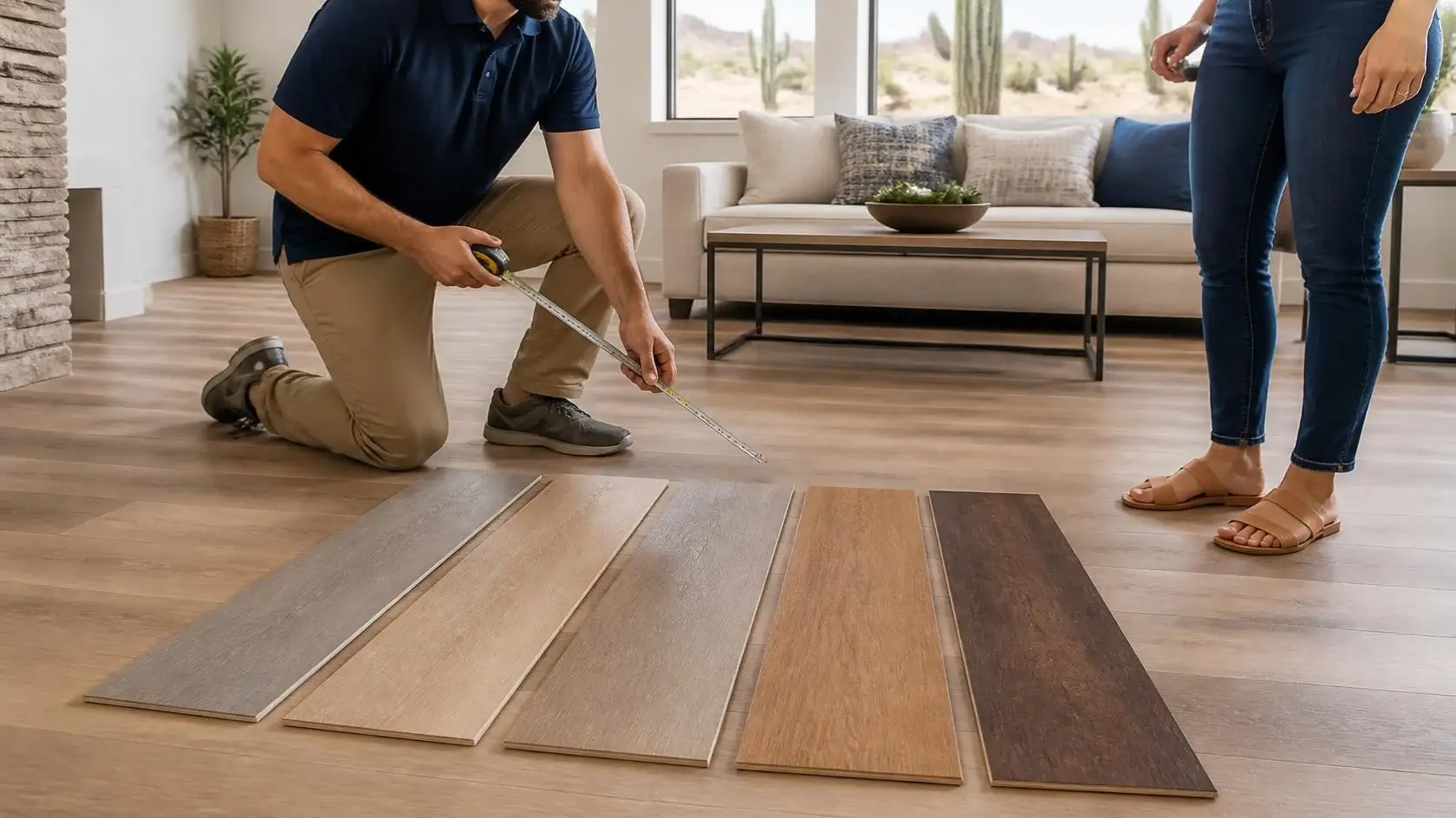
Floor Daddy's In-Home Shopping Services
We bring large flooring samples to your home for free!

Schedule your
Consultation
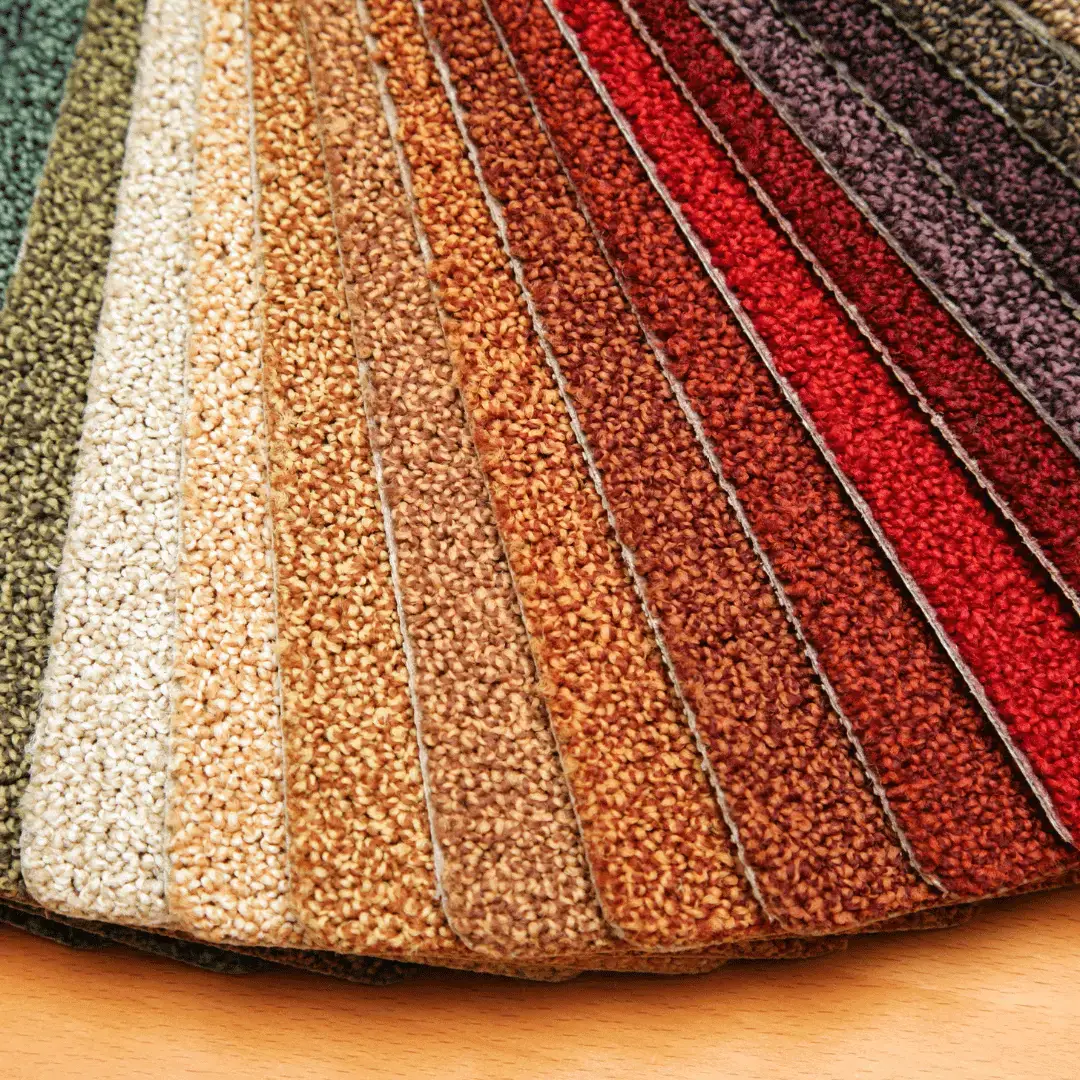
Design & Price
Your Project
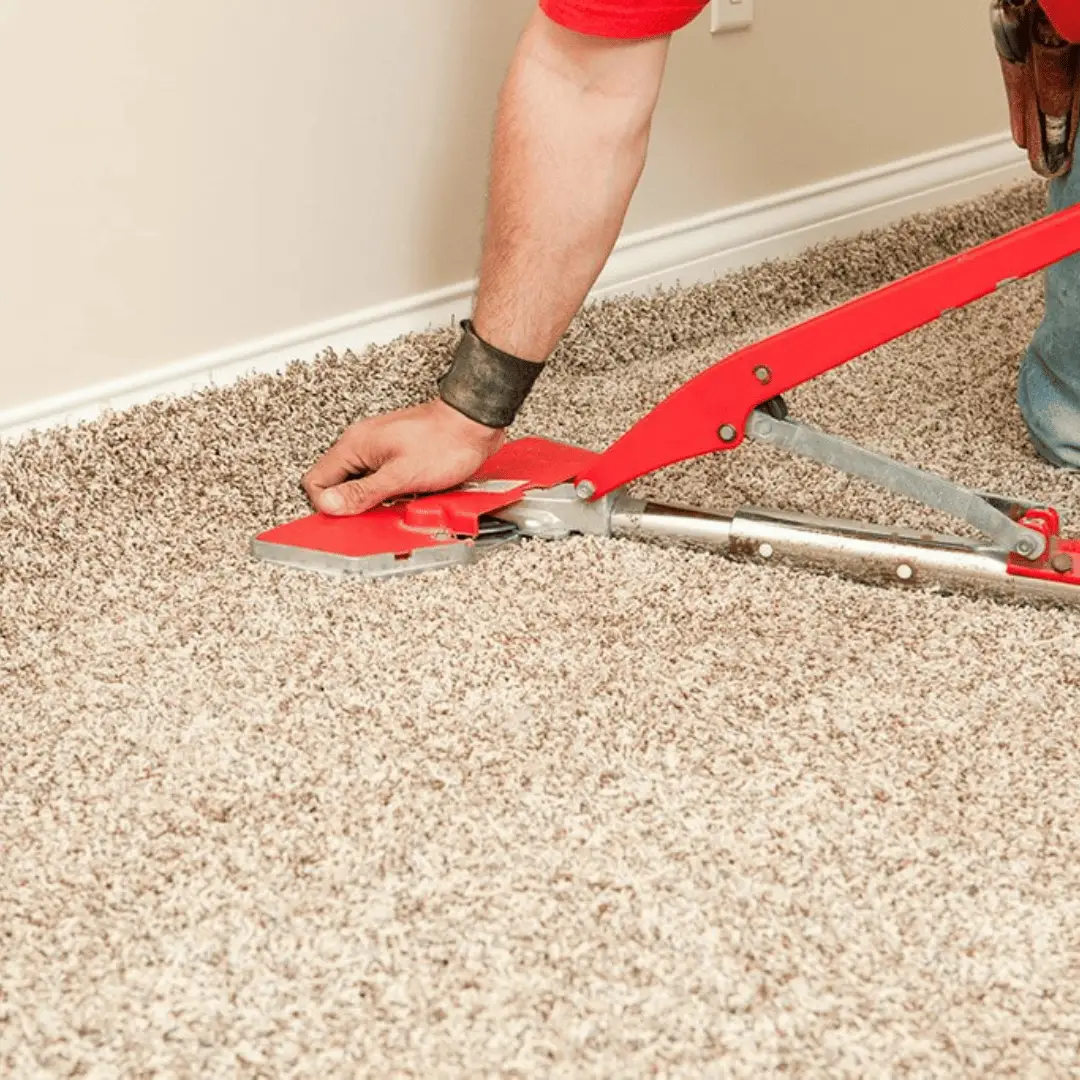
Schedule Your
No-Hassle Install
7. Underestimating the Complexity of Tile Installation
Tile is often marketed as a DIY-friendly option, but it’s actually one of the trickiest flooring types to install correctly.
Cutting tile, mixing mortar, working around plumbing fixtures, and ensuring a level surface takes experience and the right tools.
Fix it: Know your limits. If your space has complex angles, multiple wet areas, or subfloor issues, consider hiring professionals to ensure a lasting result.

Where Tile Shines When Installed Correctly
To be clear: tile flooring is amazing when it’s done right. These are the areas where it truly excels:
Bathrooms: Waterproof, stylish, and easy to clean
Kitchens: Resistant to spills, grease, and dropped pans
Laundry rooms: Withstands detergent spills and leaks
Entryways and mudrooms: Handles dirt, moisture, and heavy foot traffic
Living areas: Large-format tiles create sleek, modern vibes
Outdoor patios: Weather-resistant porcelain tiles enhance curb appeal
Get Expert Help and Avoid Expensive Mistakes
At Floor Daddy, we’re not just installers—we’re flooring advisors.
We help you pick the right tile, prep your space properly, and install with precision using our trusted process.
✅ Free in-home consultations
✅ Product recommendations based on real-world performance
✅ Expert tile installation with precision leveling and waterproofing
✅ Honest advice on materials, maintenance, and what to avoid

Ready to Start Your Tile Project?
Don’t risk expensive do-overs or disappointing results.
Let our team at Floor Daddy help you choose the right tile for the right room, and install it flawlessly the first time.
👉 Book your free flooring consultation today at https://FloorDaddy.com and take the guesswork out of your home renovation.
Trusted & 5 Star Recommended ⭐⭐⭐⭐⭐





People Also Ask 🤓
Floor tiles can crack due to several reasons, including improper installation over uneven subfloors, lack of movement joints, or using the wrong adhesive. Additionally, heavy impacts from dropped objects or placing heavy furniture without proper support can lead to cracks.
Yes, it’s possible to install tile over existing flooring like vinyl or linoleum, provided the existing floor is in good condition, level, and firmly adhered to the subfloor. However, it’s essential to ensure that the added height won’t interfere with doors or appliances.
For areas like bathrooms and kitchens, opt for porcelain or ceramic tiles with low water absorption rates. Ensure the tiles have a slip-resistant surface to prevent accidents. Additionally, proper sealing of grout lines is crucial to prevent moisture penetration.
Yes, sealing grout lines is recommended, especially in moisture-prone areas. Sealing helps prevent water infiltration, stains, and mold growth, thereby extending the life and appearance of your tiled surfaces.
Regular sweeping or vacuuming to remove dirt and debris is essential. For mopping, use a mild detergent mixed with warm water. Avoid using abrasive cleaners or tools that can scratch the tile surface.
It’s advisable to wait at least 24 hours after installation before walking on the tile to allow the adhesive to set properly. For grout to cure fully, waiting an additional 24 hours is recommended.
While DIY tile installation is possible, it requires precision, the right tools, and knowledge of proper techniques. Mistakes can lead to costly repairs. Hiring a professional ensures a durable and aesthetically pleasing result.
Porcelain tile is generally the best choice for outdoor areas because it’s dense, durable, and highly resistant to moisture and temperature changes. Always look for tiles specifically rated for exterior use, and ensure they have a textured, slip-resistant surface for safety.
To reduce slipperiness, especially in bathrooms or kitchens, choose tiles with a textured or matte finish and a high slip-resistance (look for a COF rating of 0.6 or higher). Using rugs, applying non-slip coatings, or installing smaller tiles with more grout lines can also improve traction.
With proper installation and maintenance, tile flooring can last 20 to 50 years or more. Porcelain tiles tend to be more durable than ceramic, and sealed grout helps prevent water damage and staining, extending the life of the installation.