
Mastering Flooring Transitions
How to Mix Tile, LVP, and Carpet for a Seamless Flow
Mixing flooring types like tile, LVP, and carpet?
Keep transitions level, tonal, purposeful, and minimal for a smooth, high-end flow.
Floor Daddy helps Phoenix homes pull it off flawlessly.
Mastering Flooring Transitions
How to Mix Tile, LVP, and Carpet for a Seamless Flow
Mixing flooring types like tile, LVP, and carpet?
Keep transitions level, tonal, purposeful, and minimal for a smooth, high-end flow.
Floor Daddy helps Phoenix homes pull it off flawlessly.
Sexy Flooring | Affordable Prices | Quality Install
Table of Contents
Everything You Need to Know
Before Buying Luxury Vinyl Plank (LVP) Flooring
Why do bad flooring transitions make your home feel choppy?
When flooring types clash or don't align cleanly, your home ends up feeling like a patchwork quilt.
Sudden height changes, mismatched colors, or too many breaks can kill your flow—and hurt your resale value.
Flooring transitions should guide the eye naturally through your space, not interrupt it.
“Too many flooring changes can make even a big home feel smaller and disconnected. Keep it simple and clean for the most cohesive look.” — Floor Daddy Install Crew
Discover the Best Floors to Complement Your Home's Decor
Licensed and Bonded Installation Professionals 🏆
How do you transition between tile, LVP, and carpet the right way?
Whether you’re remodeling in Tempe or updating your living room in Glendale, follow these four expert rules from Floor Daddy for seamless flooring transitions:
1. Keep transitions clean and level
Flush is best. If one flooring is taller (like tile vs. carpet), use a slim transition strip. But whenever possible, aim for level surfaces. It’s safer, looks sleeker, and feels better underfoot.
2. Let color and tone guide your choices
Stay within a cohesive color palette. If your luxury vinyl plank (LVP) has warm oak undertones, avoid cool gray tiles in adjacent rooms. Matching undertones keeps the transition natural and visually calm.
3. Minimize the number of transitions
Only change flooring types where it makes sense—like from a tiled kitchen to a carpeted living room. Don’t switch just because different installers used different materials.
4. Use transitions with a purpose
Only change flooring types where it makes sense—like from a tiled kitchen to a carpeted living room. Don’t switch just because different installers used different materials.
Financing Available
Buy now and pay overtime! We offer several different financing programs.

Fast Approvals*

No Payments*

0% Financing
Can Floor Daddy help with custom flooring transitions in Phoenix homes?
Absolutely.
Whether you’re designing a modern open-concept kitchen or refreshing a Peoria rental, Floor Daddy helps homeowners across the Phoenix metro area make smart, stylish flooring decisions.
What are the best tools or strips for clean flooring transitions?
Use the right trim or molding to match your materials:
| Transition Type | Best For | Common Material |
|---|---|---|
| T-Molding | LVP to LVP, LVP to Laminate | Vinyl, Wood |
| Reducer Strip | Tile to Carpet or LVP | Wood, Metal |
| Threshold / End Cap | Edges at doorways | Vinyl, Wood, Metal |
Floor Daddy ensures every transition is professionally installed—no trip hazards, no visible glue lines, and absolutely no janky edges.
Next Day Installation
Our installation teams are licensed, insured, and screened regularly.

Fast
Flooring delivered
to your door.

Easy
Next day installation
is available.

Convenient
We even help move
your furniture.
How do flooring transitions affect cleaning and maintenance?
Smart transitions make cleaning easier.
For example, flush transitions between tile and LVP mean no crevices to trap dirt or dust.
Use smooth-edged moldings to prevent buildup, especially in high-traffic areas like hallways or kitchens.
Pro Tip: Ask Floor Daddy to use waterproof transition strips in moisture-prone zones like bathrooms and laundry rooms.
Floor Daddy's In-Home Shopping Services
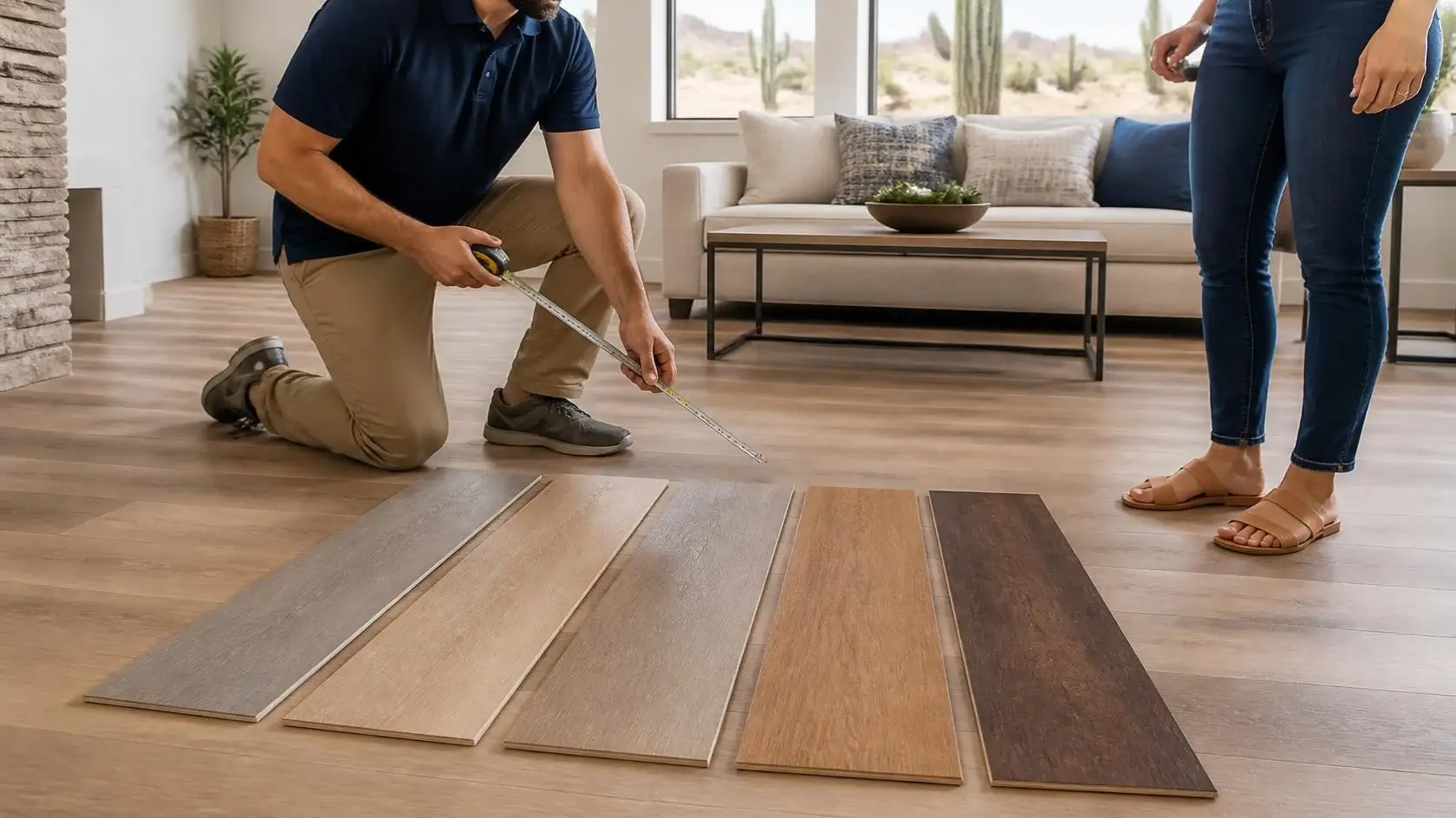
We bring large flooring samples to your home for free!
Schedule your
Consultation
Design & Price
Your Project
Schedule Your
No-Hassle Install
What’s the best direction to lay flooring when mixing types?
When mixing flooring, direction matters. LVP and wood planks should typically run lengthwise in the longest direction of the space, while tile can define functional zones like kitchens or entryways.
Consistency in direction across connected spaces enhances visual flow.
Rule of thumb: Let the longest wall or main traffic pattern dictate your plank direction.
What should I do if my home already has bad transitions?
You’re not stuck. Floor Daddy can retrofit better transitions into your existing space.
Whether it’s uneven height changes, clashing colors, or outdated trim, we’ll rework your transitions for a cleaner, more modern look—often without a full floor replacement.
⭐⭐⭐⭐⭐ “We hated how our kitchen tile met the hallway LVP—now it’s flush, color-matched, and so much safer for our toddler.”
Trusted & 5 Star Recommended ⭐⭐⭐⭐⭐


People Also Ask 🤓
Ideally no more than two. It keeps the space looking cohesive and high-end.
Yes, if you keep them level and within a consistent color palette.
Use a threshold or end cap that matches the adjacent floors and trim.
Yes, but you’ll often need a reducer strip for height differences.
Professional leveling or subfloor prep may be needed for a flush result.
Yes—align transitions with functional changes like room dividers or doorways.
Absolutely. Clean, consistent transitions signal quality craftsmanship.
You can! Uniform flooring often looks larger and more modern.
Yes, but they can be replaced if damaged or during remodels.
Most transitions take under an hour per area with a professional crew.