 48 Months Special Financing — No Interest if Paid in Full in 48 Months!*
Why Your Tile Floors Crack
(And How to Prevent It for Good)
Tile flooring is one of the most popular choices for Arizona homes—and for good reason.
It’s stylish, durable, and helps keep interiors cool during our hot summers.
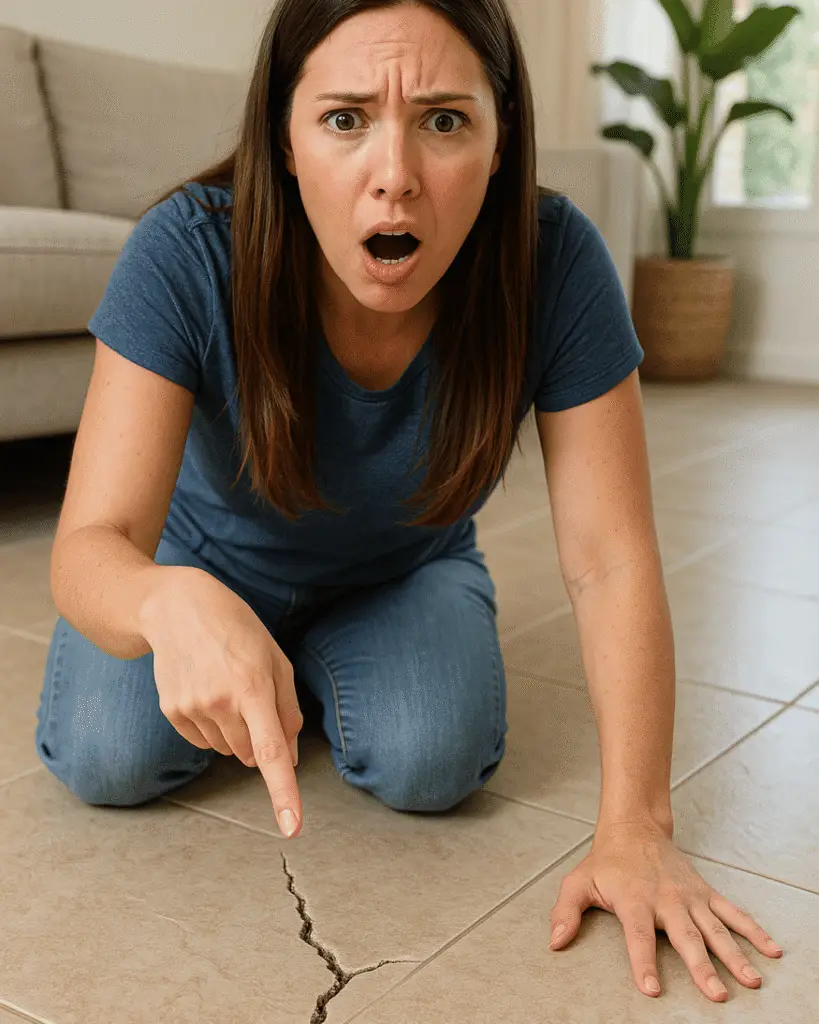
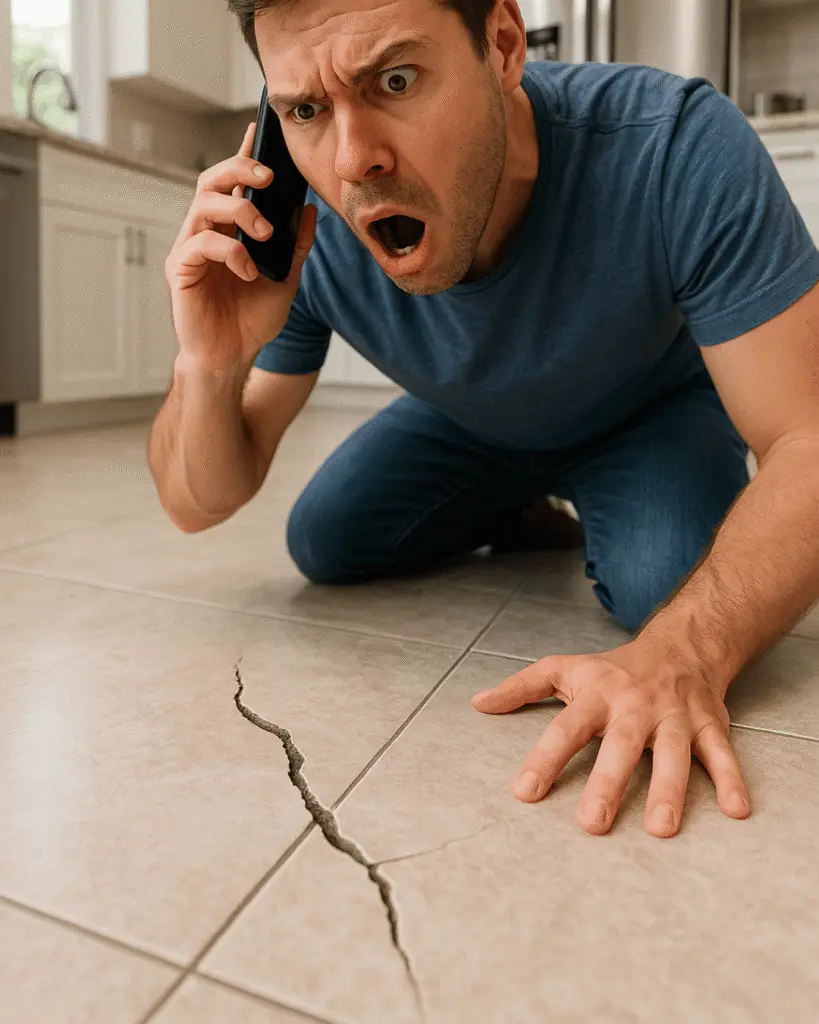
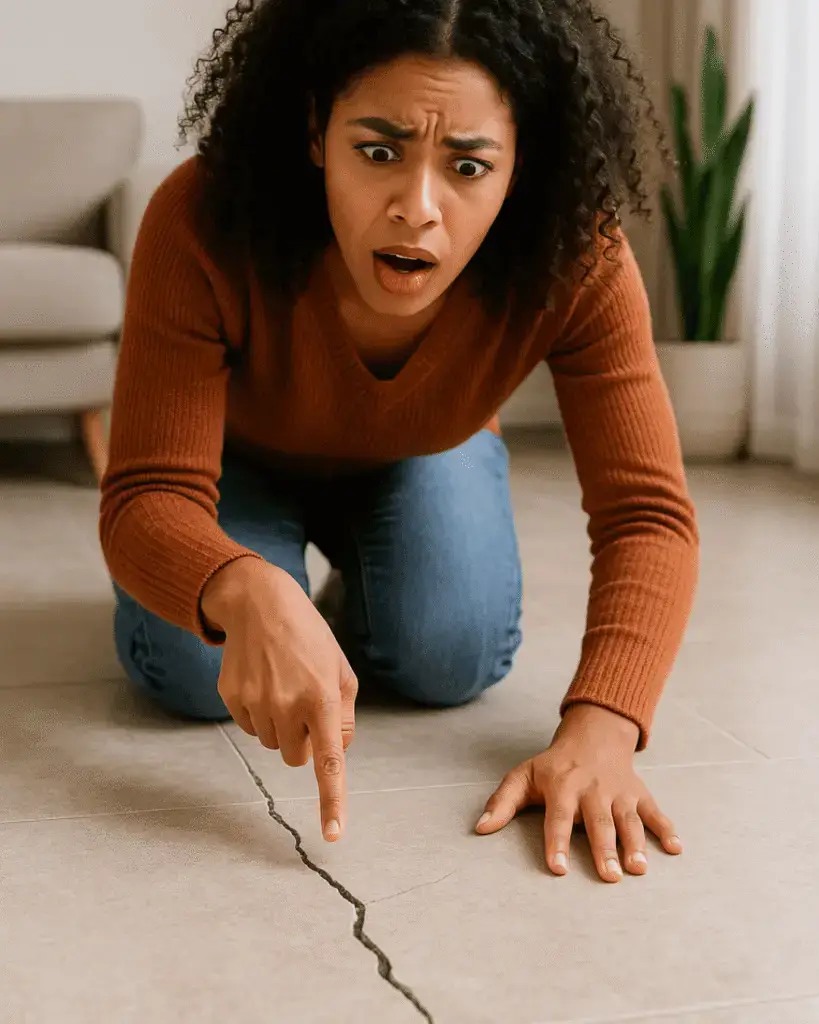
But if you’ve ever discovered a cracked tile in your living room or bathroom, you know how frustrating (and expensive) it can be.
While it’s easy to assume that the tile itself is to blame, in most cases, it’s not the tile at all.
Why Your Tile Floors Crack
(And How to Prevent It for Good) Arizona Tile Installation Tips from Floor Daddy
Tile flooring is one of the most popular choices for Arizona homes—and for good reason.
It’s stylish, durable, and helps keep interiors cool during our hot summers.
But if you’ve ever discovered a cracked tile in your living room or bathroom, you know how frustrating (and expensive) it can be.
While it’s easy to assume that the tile itself is to blame, in most cases, it’s not the tile at all.
Sexy Flooring | Affordable Prices | Quality Install


Table of Contents
Everything You Need to Know
Before Buying Luxury Vinyl Plank (LVP) Flooring
The Most Common Causes of Cracked Tile Floors
At Floor Daddy, we’ve inspected and repaired thousands of tile jobs across the greater Phoenix area.
What we’ve found is that cracked tile usually points to improper installation practices, not product failure.
If you want your tile floors to last decades—not just a few years—this article is your go-to guide.
Let’s explore the real reasons tiles crack, and what it takes to install them the right way.
Discover the Best Floors to Complement Your Home's Decor
Licensed and Bonded Installation Professionals 🏆
Poor Subfloor Preparation
The number one reason tile floors crack is due to an unstable or uneven subfloor.
Tile is a rigid material that doesn’t flex. If the surface underneath isn’t level, solid, and properly cleaned, even minor shifts can cause tiles to crack over time.
In Arizona, homes often have concrete slab foundations. These slabs settle, shift, and move depending on the weather, soil, and moisture levels. Without correcting imperfections in the slab—or installing over it without proper leveling—you’re setting your floor up for failure.
At Floor Daddy, every tile job starts with a full slab inspection. We check for cracks, gaps, and high spots. Only after the surface is prepped and flattened do we begin the next steps.
Financing Available
Buy now and pay overtime! We offer several different financing programs.

Fast Approvals*

No Payments*

0% Financing
No Underlayment or Crack Isolation Membrane
Floor Daddy uses premium crack isolation systems.
In desert climates like Glendale, Scottsdale, or Tempe, the ground naturally expands and contracts due to heat and cool cycles.
Unfortunately, concrete does the same—and this movement transfers right into your flooring if you don’t have an underlayment or a crack isolation membrane.
An underlayment acts like a buffer. It absorbs minor shifts and prevents hairline cracks in the slab from “telegraphing” through to your tiles.
Without it, a perfectly installed tile floor can still crack six months down the road.
Improper Tile Installation
Even if your surface is perfect and you use a quality tile, it can still crack if the wrong techniques or materials are used during installation. This includes:
Using the wrong type of mortar or thinset
Skipping expansion joints, especially in large areas
Overtightening tiles, causing tension beneath the surface
Uneven coverage that leads to hollow spots beneath the tile
Sadly, many installers in a rush to finish the job cut corners. The problem is, tile doesn’t show failure right away. Cracking, lippage, and grout line issues can take weeks—or even months—to show up.
When you work with Floor Daddy, you’re working with licensed, bonded, and insured professionals who follow manufacturer standards, proper troweling techniques, and material-specific curing times.
Our tile floors don’t just look great on day one—they stay great for decades.
How to Prevent Tile Cracks in Arizona Homes
If you want peace of mind with your next tile project, here are the essentials to ensure your floor holds up:
1. Inspect and Prep the Subfloor Thoroughly
Start with a full inspection of the slab or subfloor. Address any height variations, cracks, or moisture issues before you lay a single tile.
2. Use the Right Underlayment
A crack isolation membrane like RedGard or Schluter-DITRA can absorb stress from slab movement and temperature fluctuations. This step is critical in Arizona’s climate.
3. Choose Quality Tile and Materials
Not all tile is created equal. We help you select commercial-grade porcelain or ceramic tile, suited for Arizona homes and temperature swings.
4. Hire a Qualified Tile Installer
Avoid bargain installation services that use day laborers or skip best practices. Work with a flooring contractor who stands behind their work and understands local conditions.
Next Day Installation
Our installation teams are licensed, insured, and screened regularly.

Fast
Flooring delivered
to your door.

Easy
Next day installation
is available.

Convenient
We even help move
your furniture.
Why Choose Floor Daddy for Your Tile Flooring?
At Floor Daddy, we believe in doing the job right the first time. We’re more than just a tile supplier—we’re a full-service flooring contractor serving Glendale and the greater Phoenix metro area. Here’s what sets us apart:
✅ Free in-home consultations
✅ We bring full-size samples to you
✅ Licensed and insured installers
✅ Premium crack isolation systems
✅ Next-day installation available
✅ Lifetime installation warranty
Floor Daddy's In-Home Shopping Services
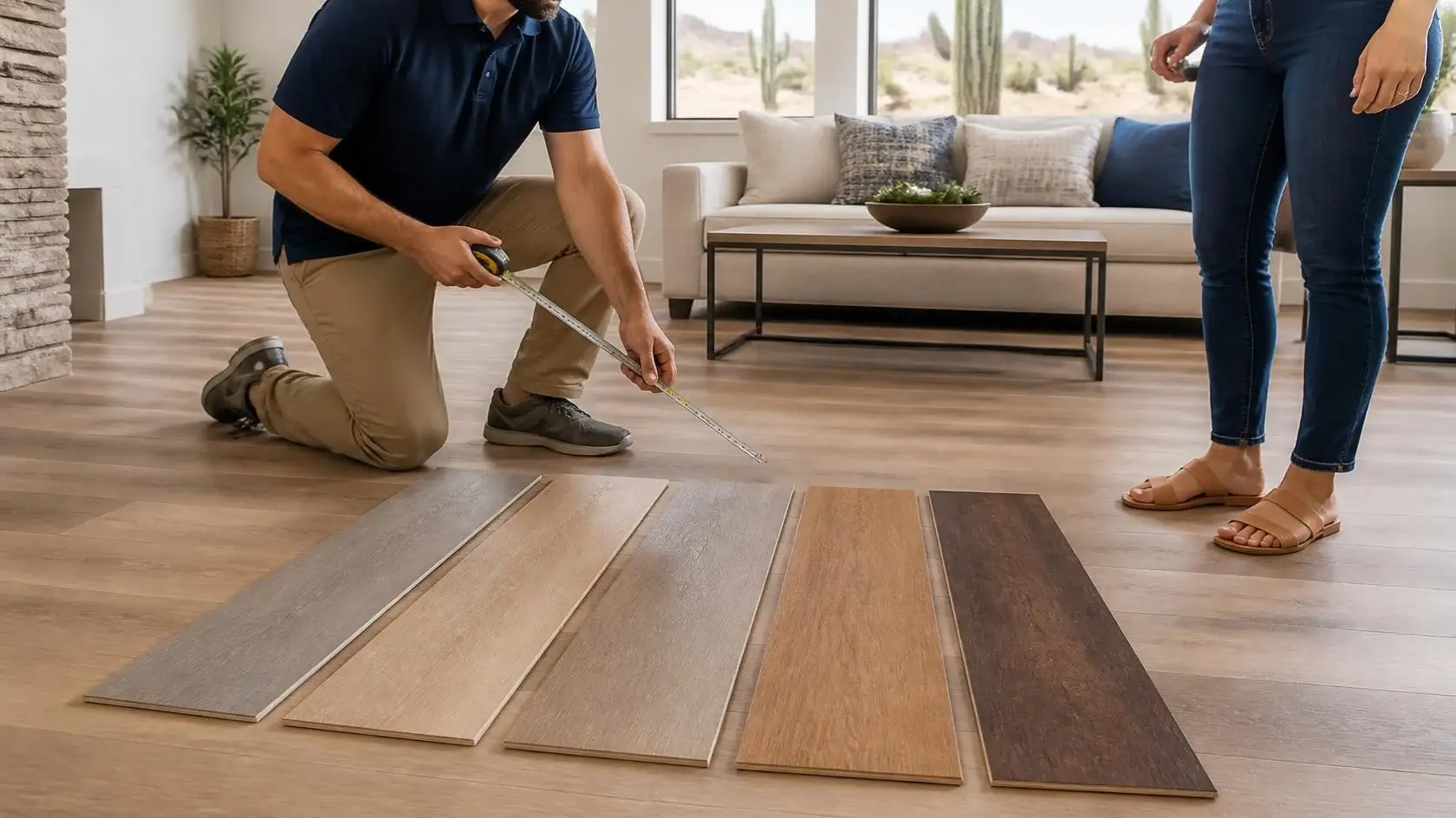
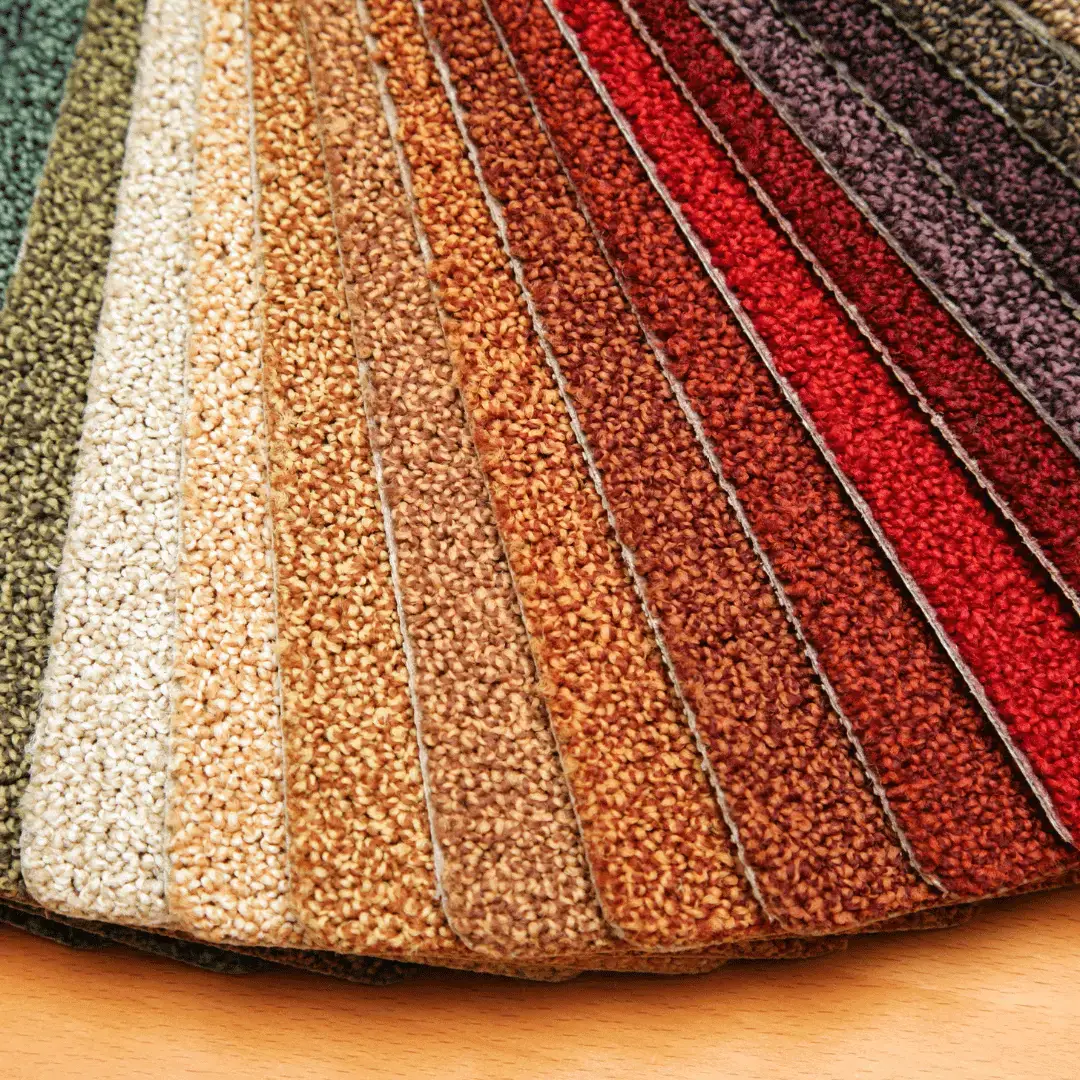
We bring large flooring samples to your home for free!

Schedule your
Consultation
Design & Price
Your Project
Schedule Your
No-Hassle Install
Schedule Your Free In-Home Tile Consultation
Don’t leave your tile installation to chance. Whether you need expert guidance, a professional slab inspection, or simply want to explore tile design ideas, Floor Daddy is here to help. Let us bring tile samples directly to your home, measure your space, and create a plan that fits your vision—and your budget.
🖱️ Visit https://floordaddy.com
📍 Serving Glendale, Phoenix, Mesa, Tempe, and surrounding areas
Final Thoughts
Tile flooring is an investment—and like any investment, it needs to be protected with proper planning and expert installation.
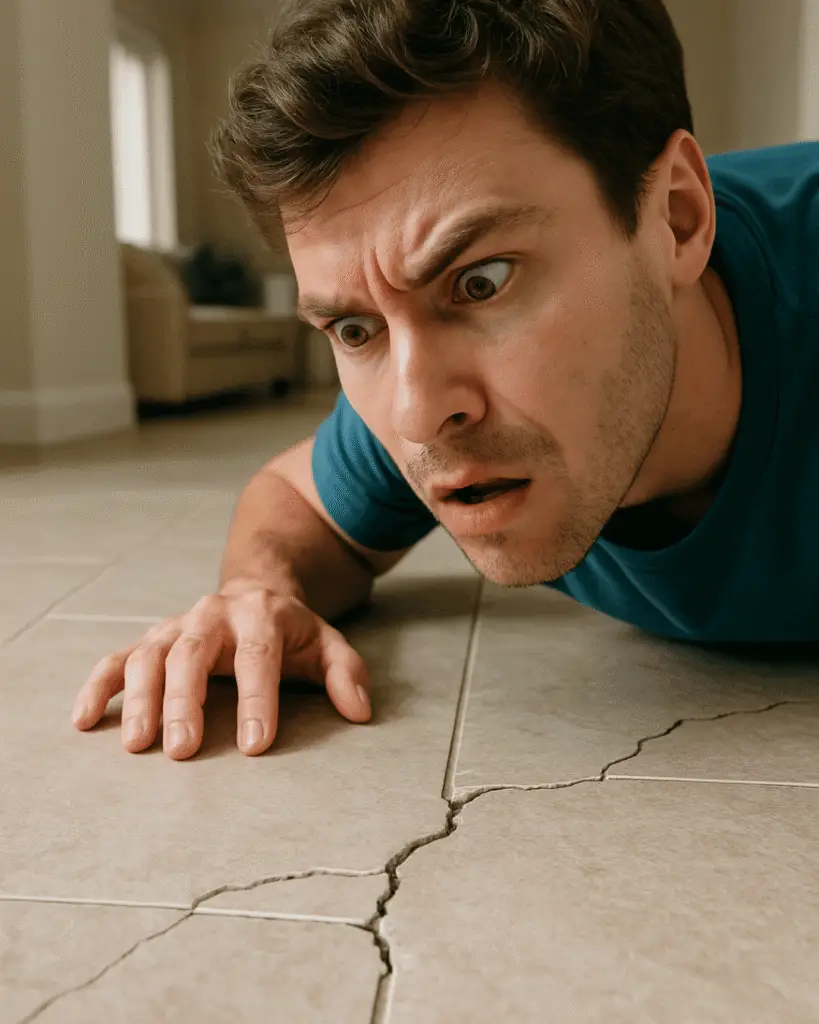
Cracked tiles aren’t just unsightly; they’re signs that something went wrong beneath the surface.
At Floor Daddy, we take pride in doing things the right way, using proven techniques and premium materials to give your home a tile floor that will stand the test of time.
So, the next time someone asks you, “Does tile crack easily?” — you can tell them: Not if it’s done right.
Trusted & 5 Star Recommended ⭐⭐⭐⭐⭐





People Also Ask 🤓
Tile floors crack mainly due to subfloor movement, lack of proper underlayment (crack isolation membrane), or poor installation techniques—not because the tile itself is defective.
Prevention starts with expert subfloor prep and using a crack isolation membrane. Choose quality materials and licensed installers to ensure proper mortar, expansion joints, and curing.
Minor hairline cracks may be repaired with grout or epoxy, but most visible cracks require tile replacement to avoid water damage and structural issues.
Yes, a crack isolation membrane is essential—especially in areas with extreme temperature shifts like Arizona—to absorb slab movement and protect your tile.
Typically, underlayment membranes range from about 0.04″ to 0.06″ thick. Thickness depends on manufacturer guidelines and the specific application area.
Your subfloor must be clean, level, crack-free, and rigid. Any gaps, debris, or uneven areas need to be addressed to prevent tile damage later.
Yes, especially in desert climates. Concrete slabs expand and contract with heat, placing stress on tile unless isolation membranes are installed.
Typically, allow 24–72 hours for mortar and grout to cure before light foot traffic. Full curing may take up to 7 days—check manufacturer instructions.
Grout cracking is often a sign of substrate movement or faulty installation—such as improper expansion joints or uneven settling.
If cracks are spreading, worsening, or allow water penetration, it’s time for replacement. Addressing the root cause prevents future failures.